About the project
Client · Self Financial
Product · Rent+Bills
Industry · FinTech / Consumer credit
Partnership · Since 2022
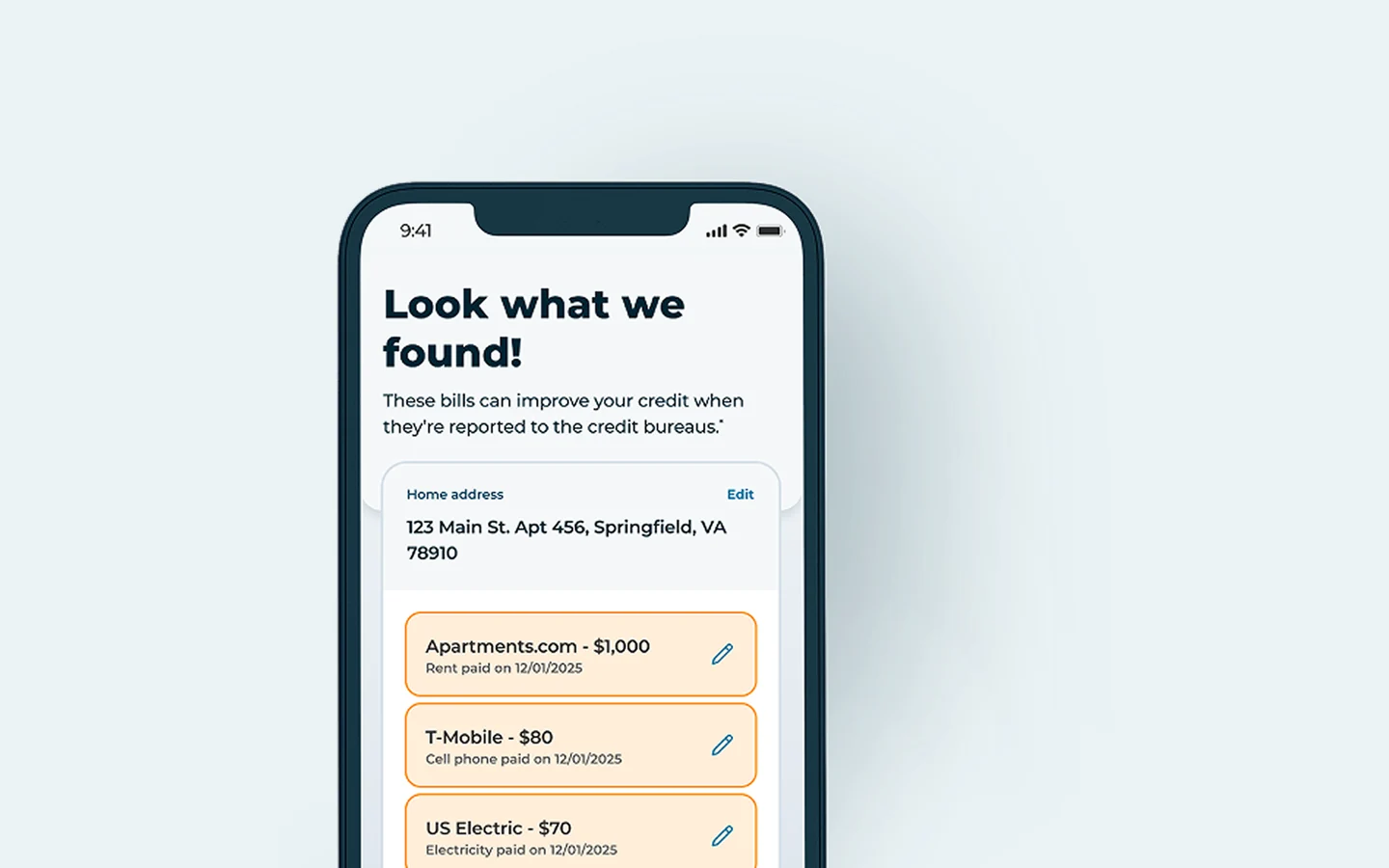
Renters already pay rent and utility bills. Self’s Rent+Bills product helps them build a credit history with those everyday payments. Machine learning helps identify utility and bill payments that renters can choose to report.
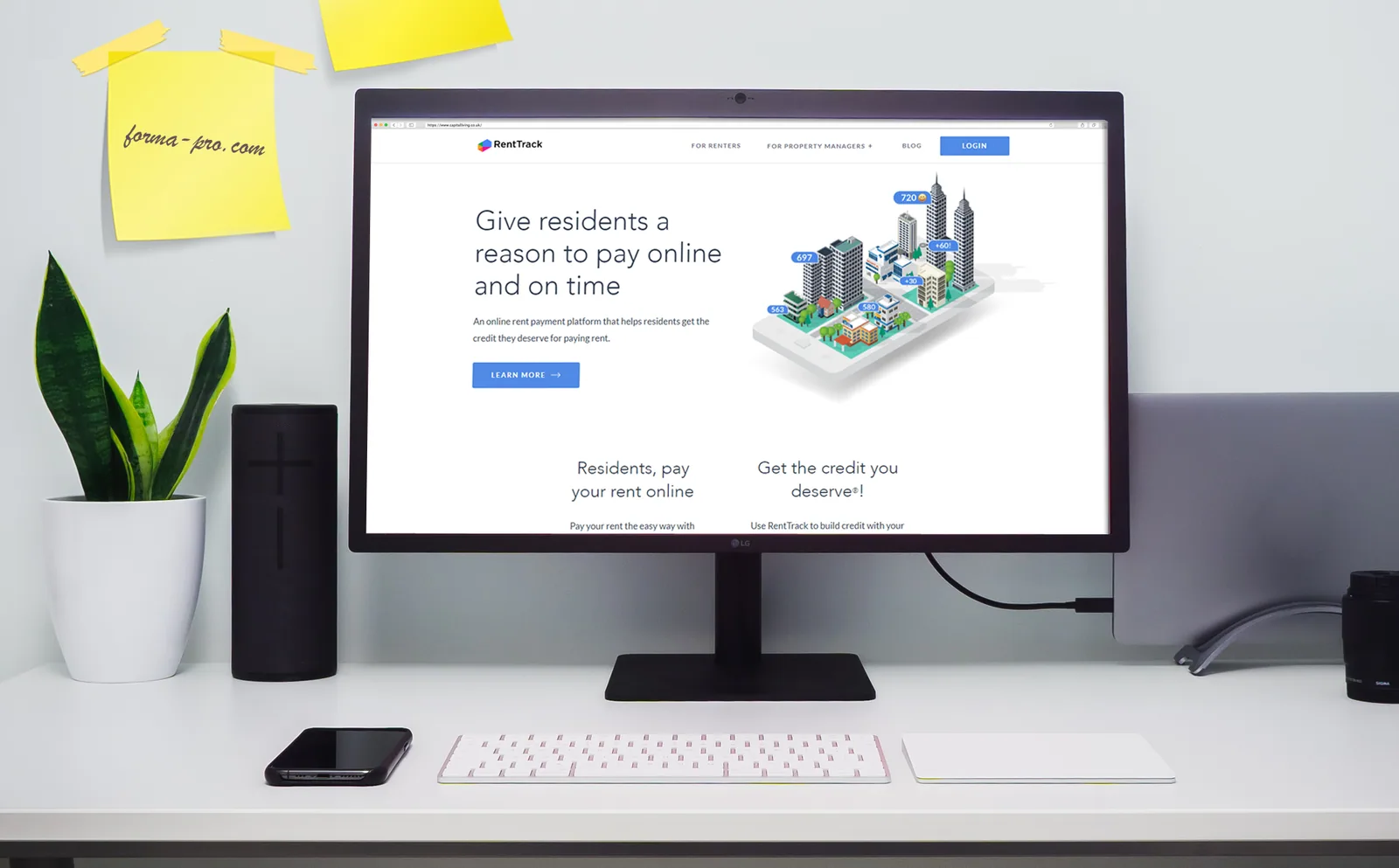
Forma Pro began working in rent reporting in 2013, when the team joined RentTrack at the MVP stage. Since 2022, Forma Pro has been Self’s technology partner on Rent+Bills, delivering capabilities from bank-connected payment verification to credit bureau reporting.
Forma Pro core challenges
- Identify eligible payments. Use machine learning to surface renters’ utility and bill payments for review.
- Integrate with Self’s apps. Make rent and bills data available on web and mobile and keep customer profiles consistent across systems.
- Protect financial data. Minimize the payment data the platform handles and set clear access limits for engineering tools.
Forma Pro contribution
AI-based payment recommendations
Machine learning helps Rent+Bills identify utility and bill payments. Renters can review the suggestions and choose the bills they want to report. Automated payment verification and bureau reporting use separate platform services.
- Identify payments Machine learning suggests utility and bill payments for renters to review.
- Verify payments The platform uses connected bank data to verify rent and utility payments.
- Report payments Rent goes to Experian, TransUnion, and Equifax. Utility and phone bills go to TransUnion.
Integration with Self’s web and mobile apps
A strongly typed GraphQL API exposes rent and bills data to Self’s web and mobile applications, built with TypeScript, React, and React Native. Amazon Kinesis and shared user-data exchange keep customer profiles consistent across systems. Plaid, HubSpot, Segment, and LaunchDarkly support workflows for renters, property managers, and internal teams.
Financial infrastructure and engineering safeguards
The platform runs on AWS. Amazon SQS handles asynchronous processing and Amazon Kinesis streams events in real time. Secure secrets management and PCI-driven data minimization help protect financial information. An automated CI/CD pipeline runs unit, functional, and end-to-end tests.
AI coding agents follow shared project conventions and rules scoped to relevant file paths. The team also blocks agents from writing to databases.
What this delivers
Renters can discover reportable payments in the Self apps they already use. The work extends Forma Pro’s experience in rent reporting into machine-learning recommendations within an existing financial product.
Technology stack
| Area | Technologies and practices |
|---|---|
| Product AI | Machine learning for utility and bill payment recommendations |
| Cloud and architecture | AWS, Amazon SQS, Amazon Kinesis, event-driven architecture |
| API and applications | Strongly typed GraphQL API, TypeScript, React, React Native |
| Integrations | Plaid, HubSpot, Segment, LaunchDarkly |
| Quality and delivery | Automated CI/CD with unit, functional, and end-to-end tests |
| Credit bureau reporting | Experian, TransUnion, Equifax |
| Security and compliance | Secrets management, PCI-driven data minimization |
| AI coding agent controls | Shared conventions, path-scoped rules, blocked database writes |